Machine-applied plaster
We apply plaster by machine, for an even coat over large surfaces and a sound base for the finish.
What is machine-applied plaster?
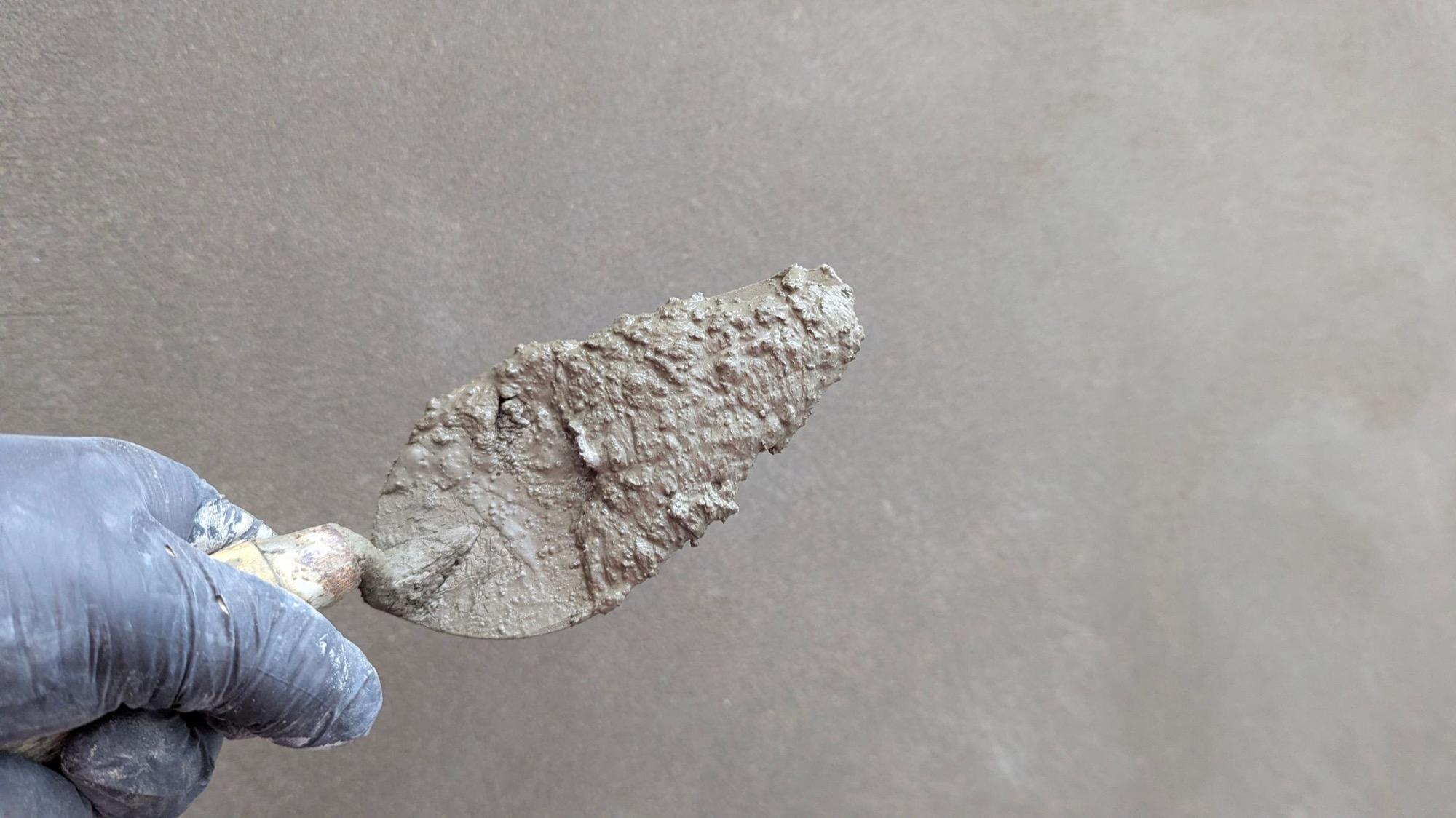
Machine-applied plaster is plaster applied to walls and ceilings with a machine that mixes the mortar and sprays it directly onto the surface. The layer is then levelled and finished. The method suits large surfaces, where a steady pace of work and an even layer matter.
An even layer, ready for the finish
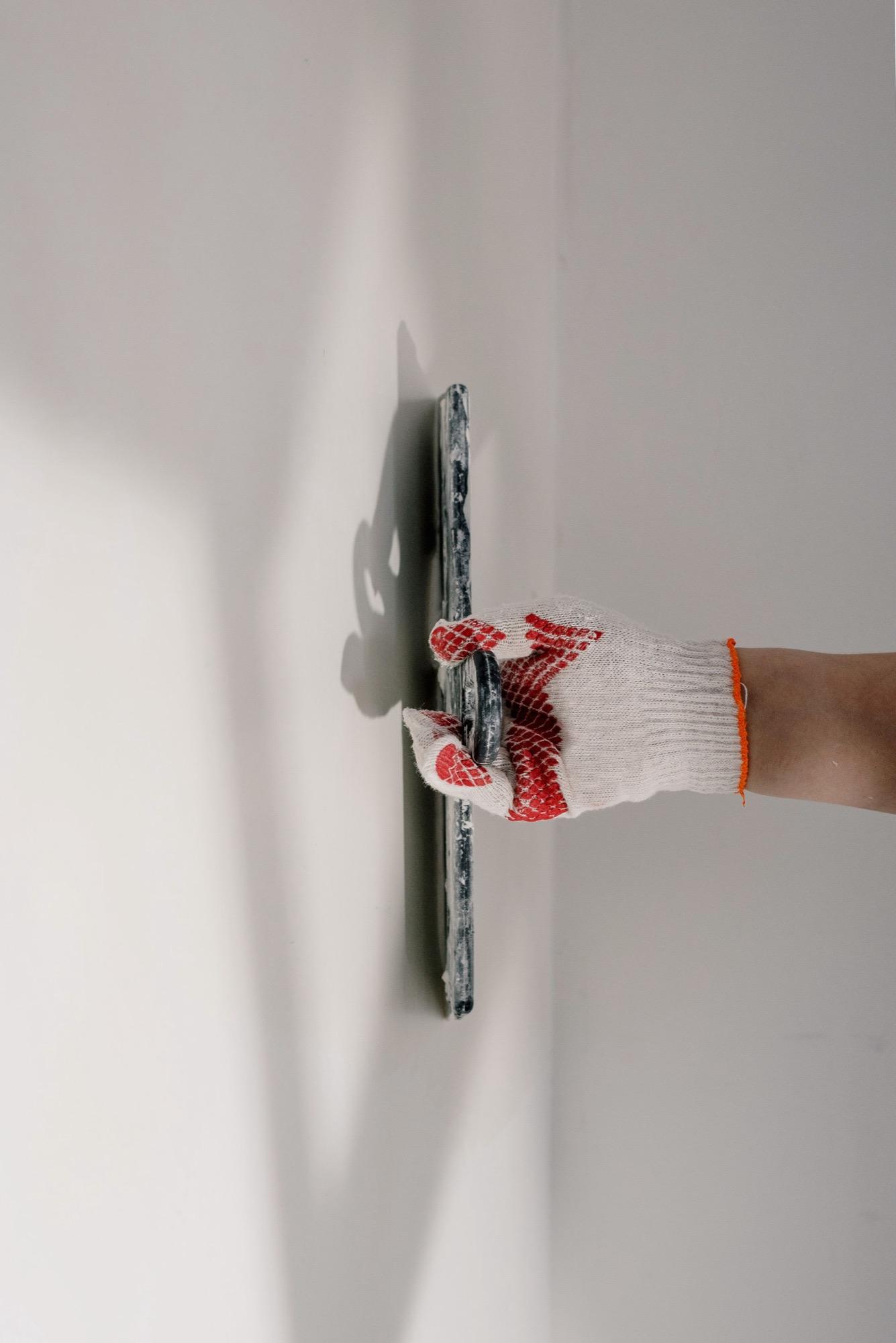
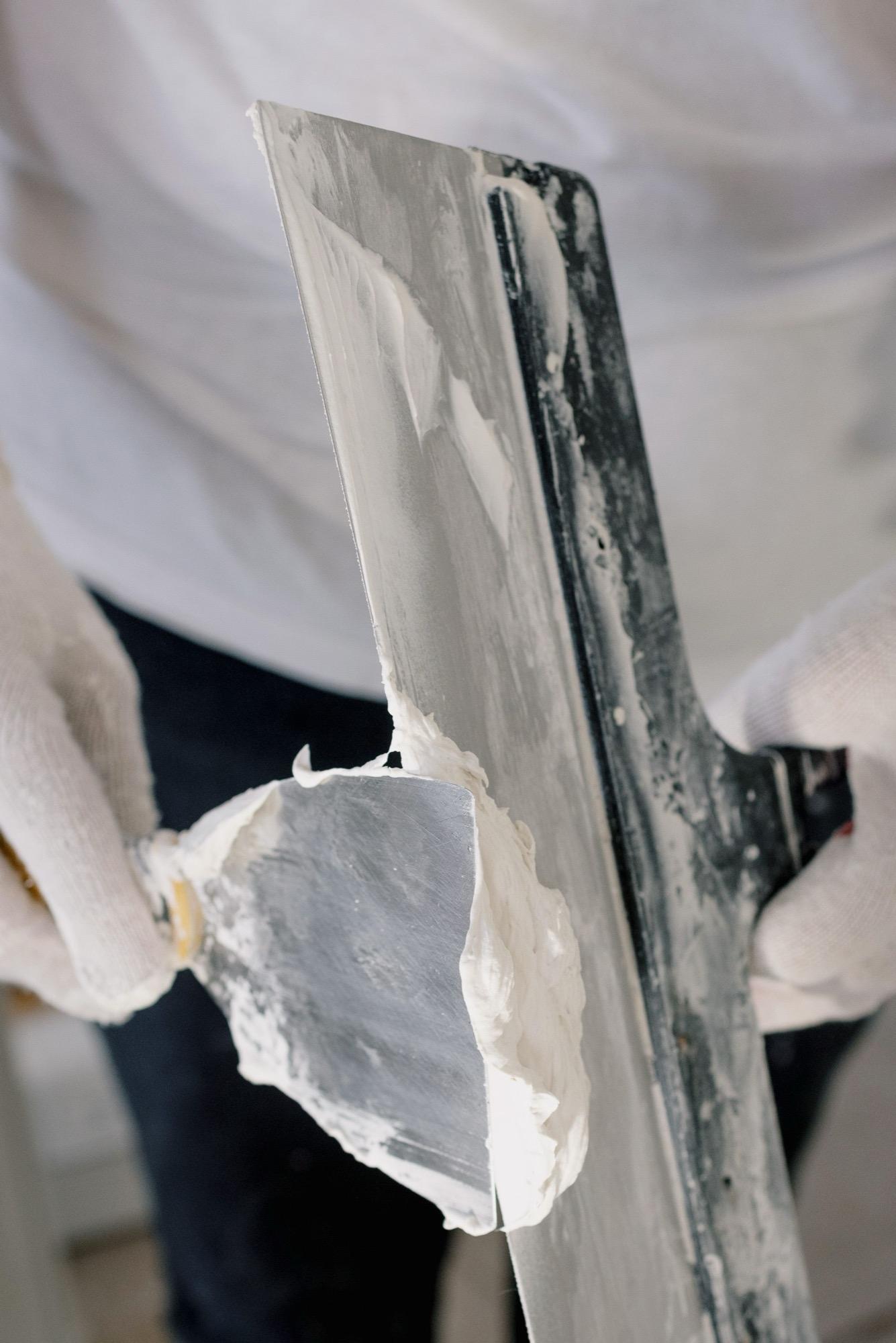
You can tell a well-plastered wall by how quiet it looks: a straight surface, with no unevenness that shows through the paint later. Machine-applied plaster gives large walls and ceilings an even layer from one end to the other, with no difference from one section to the next, and the finish sits on it naturally.
The method shows its value on large surfaces: new buildings, houses under renovation, offices and retail spaces. Continuous work means fewer joints and a constant thickness, so a cleaner result, at a pace that suits a site that has to keep moving. On small surfaces or ones with many details, we will honestly recommend plastering by hand.
A well-levelled wall is the basis for everything that follows. The skim coat goes on more easily, the paint sits evenly, and the whole looks better and lasts longer. You get a space ready for the next stage, without last-minute corrections and touch-ups.
Where machine-applied plaster helps you
We choose the method by the size of the surface and the right product for each job.
Interior walls
Large surfaces in homes, offices or retail spaces, prepared for skim coat and painting.
Ceilings
Horizontal surfaces plastered in an even layer, before the finish.
Facades
Exterior plaster, with products suited to exposure to rain, sun and changes in temperature.
New buildings and renovations
Plastering on new buildings or on rebuilt walls, after masonry work or repairs.
What you gain with machine application
An even layer
Continuous application and levelling give a constant thickness over large surfaces.
A steady pace of work
The mortar is mixed and applied without pauses, which shortens application time compared with hand plastering on large surfaces.
Fewer joints
Continuous work reduces the differences between sections and the marks where they meet.
A good base for finishes
A well-levelled wall makes the skim coat and painting that follow easier.
The materials and techniques we work with
We choose them by the substrate and the location of the job.
- Mortars
Dry-mix mortars based on cement, lime or gypsum, depending on use
- Equipment
Plastering machine and levelling tools
- Surface preparation
Cleaning, priming and, where needed, reinforcing mesh
- Finishing
Levelling and smoothing, according to the finish required
How we work, step by step
Visit and measurement
We see the site, measure the surfaces and settle on the right product.
Surface preparation
We clean the walls, prime them where needed and protect the floor, joinery and services.
Machine application
We apply the plaster by machine, in a continuous layer.
Levelling and finishing
We level the layer and finish it, for a straight, smooth surface.
Drying and handover
We let the plaster dry as the product instructions say, then check the work and hand it over to you.
Frequently asked questions
Do you have another question about your work?
Write to usThe mortar is mixed and applied by a machine, rather than mixed and thrown on with a trowel. The difference shows mostly on large surfaces, where continuous application gives a more even layer and a better pace of work.
It suits large walls and ceilings above all, in new buildings or renovations. On small surfaces or ones with many details, hand plastering can be more practical.
The cost depends on the surface area, the thickness of the layer and the product. For an indicative estimate of the products, with or without installation, you can use the calculator on the site; the firm offer is set once we know the details of the job.
Are you planning a plastering job?
Describe the job and the surface briefly, and we will come back to you with the right solution.